The Gatekeepers to Healing: Understanding Protector Parts in Trauma Therapy
In the sacred journey of healing trauma, there are parts of us that step forward not to harm, but to protect.
These protector parts have carried the weight of survival — often in silence, often alone. They’ve made impossible choices, built walls, guarded wounds, and worked tirelessly to keep the most vulnerable parts of us safe.
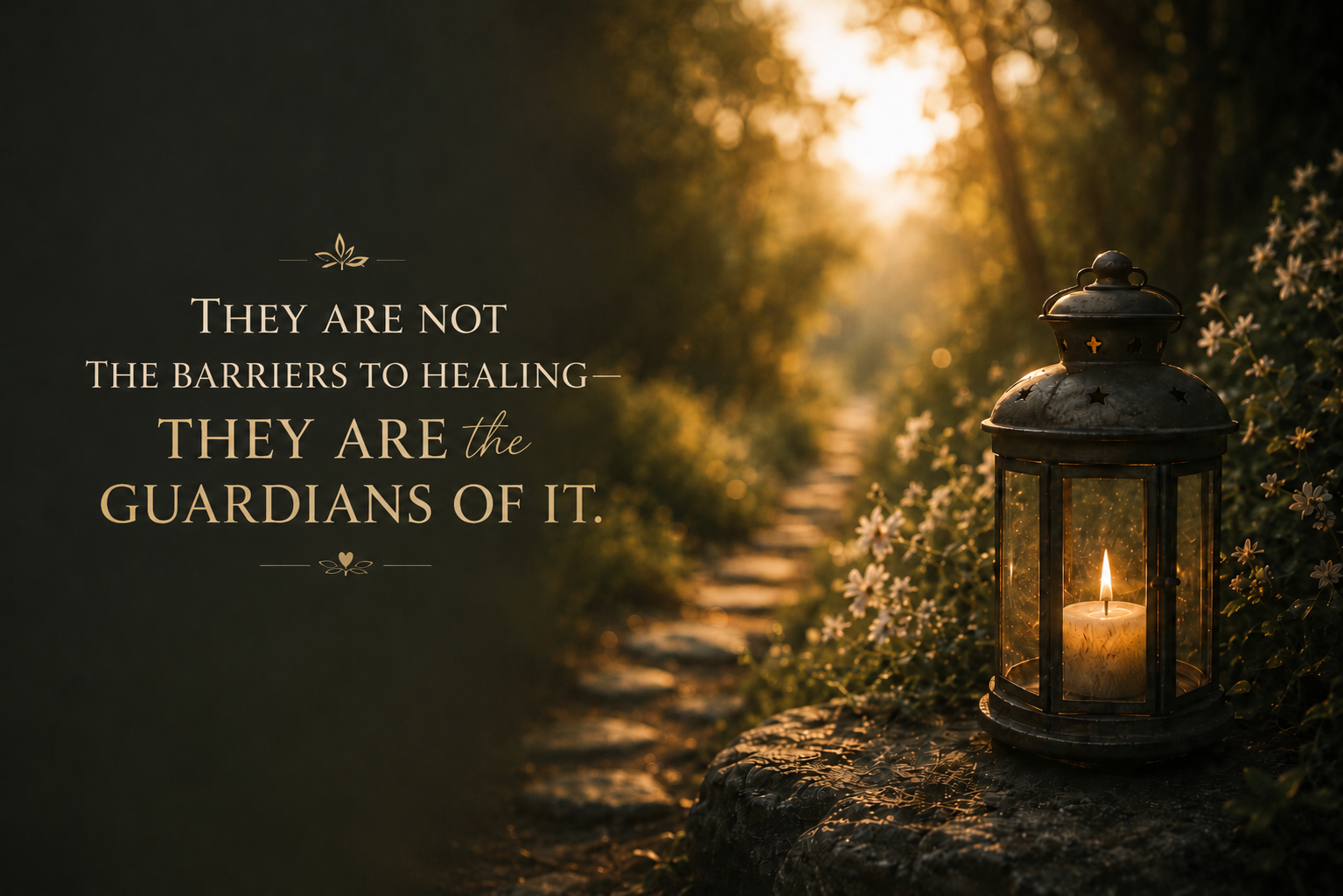
They are not barriers to healing —
they are the guardians of it.
Within trauma-informed approaches such as Resource Therapy and Relational Integrative EMDR, these protective responses are understood not as resistance, but as adaptive survival responses shaped through trauma, attachment wounds and the need for safety.
To earn their trust is not to bypass them, but to pause… to listen.
To understand why they do what they do.
To hear their fears, their needs, their stories.
Trust cannot be demanded from protector parts.
It must be earned through consistency, respect, relational safety and attuned therapeutic presence.
When they begin to trust — truly trust — something incredible happens:
They soften.
They step back.
They let healing in.
Healing is not possible, nor is it ethical, to attempt to overpower or push through protector parts.
Instead, healing often begins through curiosity, compassion and collaboration with the inner system.
In Resource Therapy and Relational Integrative EMDR, we do not force change —
we work collaboratively with the inner system,
bringing every voice to the table with dignity.
So we thank the protectors.
For their service.
For their strength.
For their fierce love.
And we remind them:
You are no longer alone.
And together we heal.
Written by Jaclyn Hall.
Jaclyn Hall is a PACFA Accredited Clinical Counsellor and Supervisor, EMDRAA Accredited EMDR Practitioner and Advanced Clinical Resource Therapist based in Blaxland in the Blue Mountains. Jaclyn provides trauma therapy, EMDR, Resource Therapy, clinical supervision and trauma-informed training both in-person and online across Australia.